Pool Slab Repair in Des Moines, IA
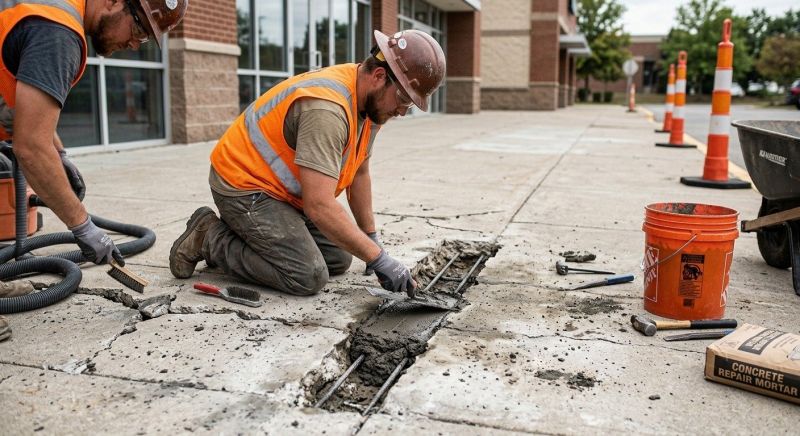
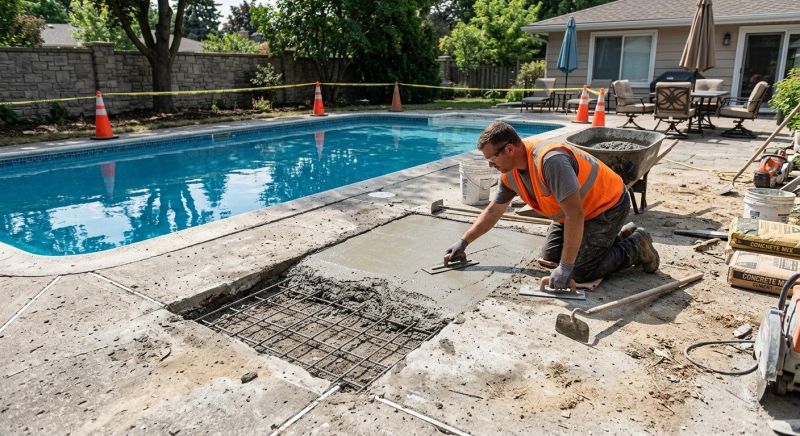
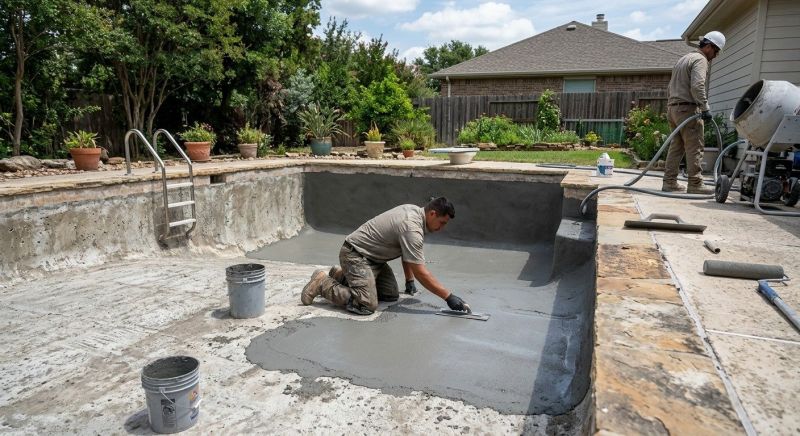
Pool slab repair services address issues with the concrete foundation surrounding a swimming pool, ensuring safety, stability, and proper drainage. This type of repair covers a range of projects, including fixing cracks, addressing uneven surfaces, restoring damaged sections, and preventing further deterioration caused by ground shifting or weather conditions. Homeowners typically seek this service to maintain the structural integrity of their pool area, improve appearance, and avoid costly repairs down the line.
Before requesting pool slab repair, property owners often want to understand the extent of the damage, the causes behind it, and the best methods for repair. It’s important to assess whether cracks are superficial or indicate deeper structural problems, as well as to consider any underlying soil or drainage issues that may need addressing. Proper evaluation ensures that repairs are effective and help prolong the lifespan of the pool area, providing a safe and attractive outdoor space.
Many property owners in Des Moines, IA look into Pool Slab Repair for repairs, replacements, upgrades, and appearance-related improvements.
Common Causes Of Pool Slab Damage
Understanding why cracks and settlement occur helps inform effective repairs for pools in des moines, ia.
Signs Your Pool Slab Needs Repair
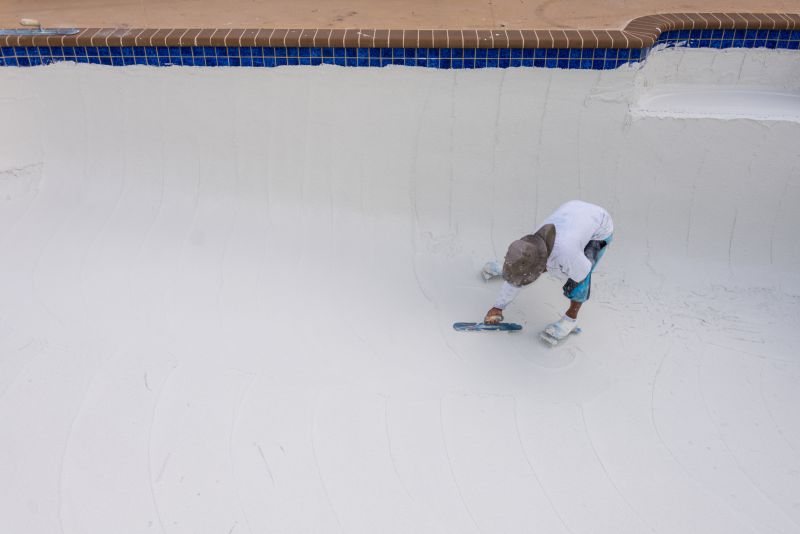
Visible cracks, uneven surfaces, or shifting tiles can indicate underlying issues with the pool’s foundation.
Benefits Of Professional Pool Slab Restoration
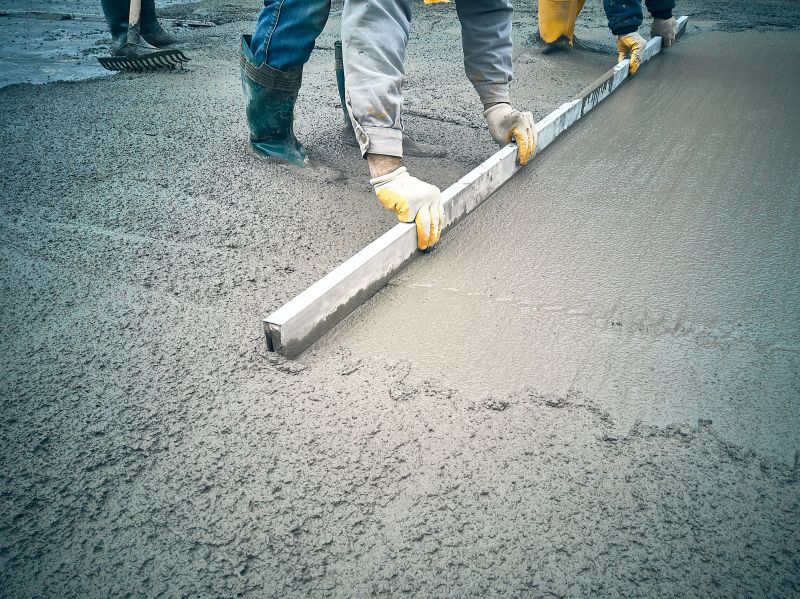
Expert repairs can improve safety, prevent further damage, and extend the lifespan of your pool area.
Pool Slab Repair in Des Moines, IA
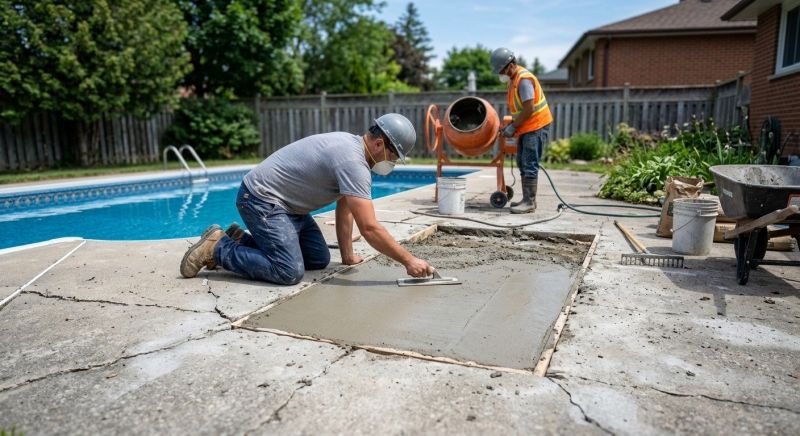
Pool slab repair services address issues with the concrete foundation surrounding a swimming pool, ensuring safety, stability, and proper drainage. This type of repair covers a range of projects, including fixing cracks, addressing uneven surfaces, restoring damaged sections, and preventing further deterioration caused by ground shifting or weather conditions. Homeowners typically seek this service to maintain the structural integrity of their pool area, improve appearance, and avoid costly repairs down the line.
Before requesting pool slab repair, property owners often want to understand the extent of the damage, the causes behind it, and the best methods for repair. It’s important to assess whether cracks are superficial or indicate deeper structural problems, as well as to consider any underlying soil or drainage issues that may need addressing. Proper evaluation ensures that repairs are effective and help prolong the lifespan of the pool area, providing a safe and attractive outdoor space.
Many property owners in Des Moines, IA look into Pool Slab Repair for repairs, replacements, upgrades, and appearance-related improvements.
Common Pool Slab Repair Jobs
Cracked or uneven pool slabs - addressing surface cracks and settling to prevent further damage.
Pool slab resurfacing - restoring the smoothness and appearance of worn or damaged concrete.
Leak repairs - fixing cracks or holes that cause water loss and structural issues.
Expansion joint repair - maintaining proper joint spacing to prevent cracking and shifting.
Concrete reinforcement - adding reinforcement to strengthen weakened pool slabs and prevent future problems.
Drainage correction - improving water runoff around the pool area to protect the slab foundation.
Pool Slab Repair Questions
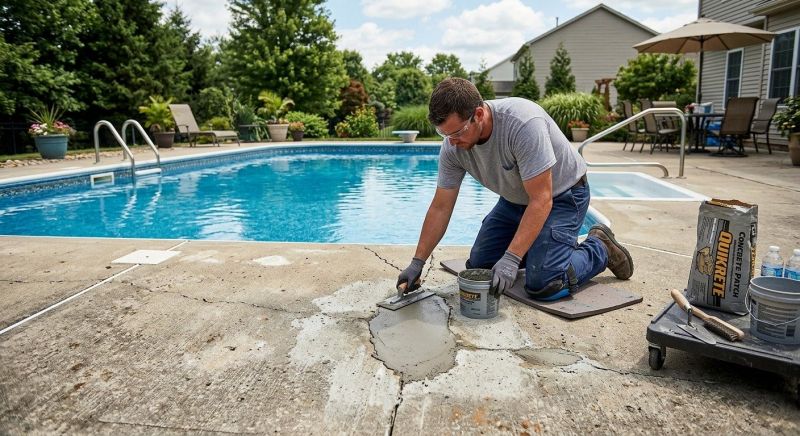
What causes cracks in a pool slab? Cracks can result from ground settling, soil movement, or temperature changes affecting the concrete surface.
How can I tell if my pool slab needs repair? Signs include uneven surfaces, visible cracks, or water pooling around the slab edges.
Is pool slab repair necessary for safety? Yes, repairing cracks and damage helps prevent further deterioration and ensures a safe, level surface around the pool.
What types of repairs are common for pool slabs? Common repairs include crack sealing, slab leveling, and replacing sections of damaged concrete.
Request Pool Slab Repair in Des Moines, IA
Use the quote form on this page to share the basics of your project and request more information for the type of work you need.